


Introduction
Education of health professionals should not only be learning content centered, but should also expand to include a method for hands-on learning, especially in the current fast-paced health care climate. The use of the simulation is a powerful learning tool that allows practitioners to gain hands-on experience in a safe environment. It’s true, as noted by thought leader Dr Joel Ross, that innovative teaching methods are vital in training healthcare practitioners today, given the ever-changing technology and diversity of healthcare challenges and patient safety. This is a general introduction to the use of simulation in medical education.
What is Simulation-Based Learning?
Simulations are learning experiences that use equipment and techniques. They include computerisation, mannequins and virtual reality. In these simulations, patients are simulated in clinical situations. Health professionals use them to gain experience in diagnosing, treating and decision-making. This way, they do not put patients at risk.
Developing clinical skills and confidence
An advantage of simulation based learning is that it has one of the greatest potential benefits, which is to enhance clinical competence. Procedures can be practised in a simulated setting, which can be repeated to help develop technical skills and increase confidence in the procedure. Simulations help increase learning from mistakes instead of making them dangerous. This lowers the possibilities of error in actual practice, and also equips healthcare workers with the ability to complete under pressure with much greater accuracy and self-assurance.
Fostering and Encouraging cooperation and communication
In a team-driven healthcare environment, good communication is very important. It helps patients get results. Some games will involve a team of people being trained in an Emergency Response/Surgical Co-ordination, etc. These exercises develop essential soft skills that are essential for every healthcare professional, including teamwork, leadership, and effective communication.
Promote ongoing learning and flexibility
Another major benefit of simulation learning is its versatility: These trainings can be tailored to the beginning or the advanced user, or focused on an expert. Whether he or she learns routine procedures or is practising a complex medical emergency, simulation is at the same level as the practitioner, and learning and skill development are constant, even across the lifespan of the practitioner, in an environment of constant change in knowledge and technology.
Enhancing Patient-Centred Care
Simulation isn’t just about technical skills; it also enhances interpersonal aspects of healthcare. Learners are given exposure to realistic patient interaction, and he has developed knowledge with respect to empathy, communication, and ethical decision-making. This is especially true in areas like geriatric care. Here, understanding a patient’s needs outside of the hospital is key. Doctors like Dr Joel Ross say that clinical knowledge and care are both important.
Possible future problems and opportunities
While there are numerous advantages of learning from simulation, there are challenges such as the costs of learning, the technology needed, and the need for expert teachers. Technology is making it easier to work. The use of simulations in education will likely grow. More and more training will use intelligence and virtual environments.
Final Thoughts
The use of simulation-based learning in today’s health care education is an accepted part of practice. It provides a safe, realistic, and entertaining training environment for health workers to enhance their capabilities and build their confidence in the provision of quality health services to their clients. This innovative approach will play a pivotal role in the creation of competent health professionals who are compassionate and informed.
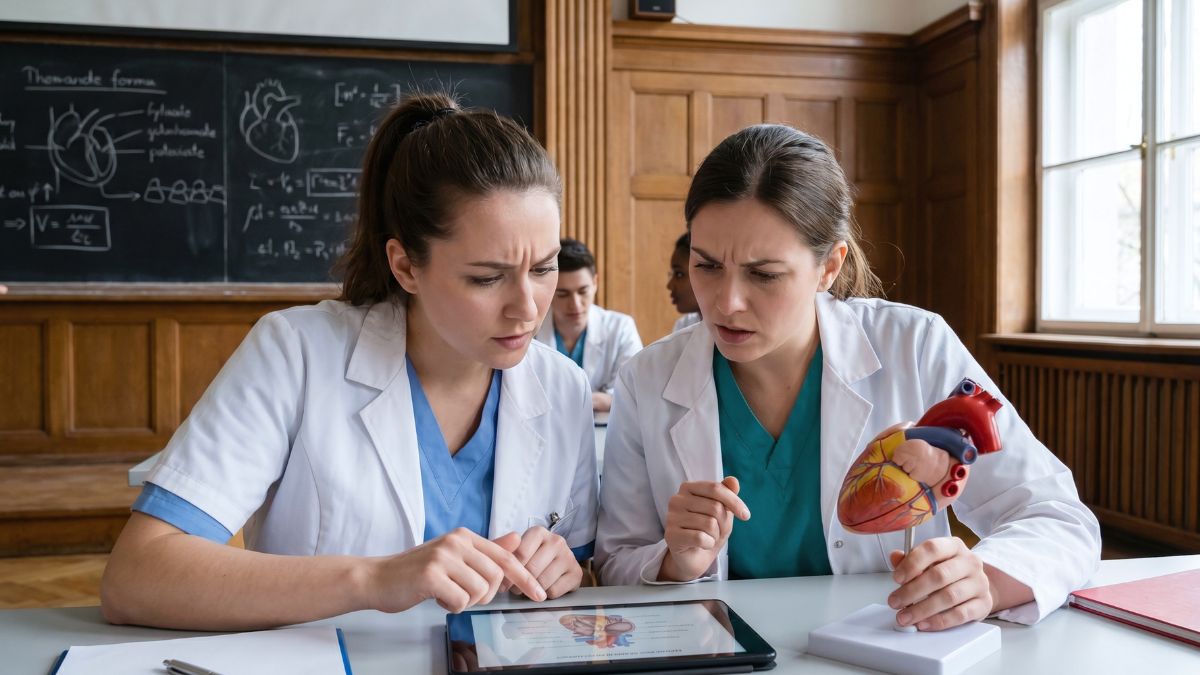
Image by ArtDreams92 from Pixabay
The editorial staff of Medical News Bulletin had no role in the preparation of this post. The views and opinions expressed in this post are those of the advertiser and do not reflect those of Medical News Bulletin. Medical News Bulletin does not accept liability for any loss or damages caused by the use of any products or services, nor do we endorse any products, services, or links in Sponsored Articles.
