


Imagine undergoing endoscopy in the hopes of getting better medical direction, only to return home with a life-threatening bacterial infection. This sounds far-fetched, but this is the reality of many patients living in the United States. Reality of patients who went to the facilities that believed their equipment was clean and sanitized. Truth be told, maybe it was. This isn’t a case of negligence; a foundational error is at play here. Outbreak investigators traced the problem back to at least 25 hospitals, where nearly 35 people died of Duodenoscope infection. All of this occurred when the staff followed the sanitization protocol to the letter. Now, you must be wondering how this lapse occurred when medical malpractice was in check? It was a device design that made proper sanitization nearly impossible. In St. Louis, Missouri, hospital systems now implement infection-tracking programs to monitor complications associated with endoscopy procedures.
Legal claims soon followed, focusing on whether the manufacturer and providers followed the sterilization standard and addressed known risks. An Olympus duodenoscope infection lawsuit looks like this: it involves a patient who developed a severe post-procedure infection and now requires hospitalization, or sometimes more serious care.
What Lawsuits Actually Uncover
Litigation is as much a discovery mechanism as it is a compensation process. When a case moves forward, internal documents surface. Complaint histories. Engineering files. Emails between regulatory teams and executives. Families who spent months wondering what went wrong can suddenly see the timeline laid out in sworn testimony. That matters. Problems that never face public scrutiny tend to linger far longer than they should, buried in private servers and quarterly reports.
A Contamination Rate Nobody Expected
The FDA put it plainly: over half a million procedures per year, and contamination rates after reprocessing that far exceeded early projections. Surveillance data published in 2018 was a turning point. Older models were coming back from sterilization with high-concern contamination in roughly 4 to 6 percent of cases. A newer design reduced that to about 1.1 percent, but even that number covers thousands of procedures annually. These figures sharpened legal arguments considerably. They also made it harder for anyone to claim that the risks were unforeseeable.
The Elevator Mechanism Problem
Here is the core issue. Standard endoscopes are relatively simple to disinfect. A duodenoscope has an elevator mechanism near its tip, a feature necessary for certain bile duct and pancreatic procedures, that creates pockets where biological residue collects. Add narrow internal channels and sealed crevices to that, and you have a device that standard reprocessing protocols were not designed for. Investigators confirmed transmission events even when staff had done everything right according to the manual. That is a significant legal distinction. It moves liability away from the nurse who cleaned the scope and toward the company that designed it and wrote the instructions.
Court Records Become Public Infrastructure
Discovery does something that internal audits and voluntary reporting rarely accomplish. It forces the production of documents that companies would otherwise never release. Validation reports. Training gaps. Revision histories showing when guidance was updated and why. Once those materials enter court records, they do not disappear. Researchers reference them. Regulators cite them. Journalists build investigations around them. A single case can generate evidence that influences safety decisions at hospitals the plaintiff has never visited and never will.
Litigation Moves Products
Verdicts are not the only mechanism. The threat of litigation, or its active presence, has a way of accelerating internal reviews that were moving too slowly. In 2015, one major manufacturer revised its reprocessing instructions for a widely used model. Federal regulators eventually required postmarket surveillance studies across the industry. Coincidence is possible, but the timing is hard to ignore. Legal pressure does not replace microbiological testing or engineering rigor. What it does is create urgency where urgency was otherwise absent.
What Hospitals Do When Cases Get Filed
Risk managers at large health systems read these filings closely. The liability does not stop with the manufacturer. A hospital that continues using a device after safety notices or fails to implement recommended reprocessing changes can find itself named in a lawsuit, too. That reality prompts action: scope inventory reviews, staff retraining, culturing audits, and early retirement of harder-to-clean units. Federal guidance issued in 2019 pushed facilities away from fixed endcap designs. Many hospitals had already begun the transition, partly because of what the litigation record made visible.
One Case, Many Beneficiaries
Compensation matters to the individual patient who lost income, endured additional surgeries, or sustained permanent damage. That part is straightforward. Less obvious is the downstream effect. Every lawsuit that produces a public record contributes to a body of evidence that other patients, hospitals, and policymakers can act on. The woman who files a claim in Ohio may never know that her case influenced a procurement decision in Oregon. That is how systemic reform usually works. Not through a single dramatic ruling, but through accumulated documentation that makes the pattern undeniable.
The Strangers Who Benefit Most
Future patients are the quietest stakeholders in this litigation. They have no claim to file, no attorney to call. What they have is the indirect benefit of disclosure. Once facts are in the public record, purchasing committees can ask harder questions before selecting devices. Accrediting bodies can set stricter standards. Hospitals can revise protocols without waiting for another outbreak to justify the cost. None of that happens automatically, but all of it becomes more likely when the evidence is out in the open rather than locked in a manufacturer’s internal review process.
Conclusion
These lawsuits convert private harm into public knowledge. That is their broader function, beyond whatever settlement or verdict they produce. Flawed design decisions, slow-moving warnings, gaps between what a company knew and what it disclosed: all of it becomes harder to sustain once litigation forces it into daylight. Patients who undergo these procedures in the future will benefit from standards shaped, at least in part, by people who had no choice but to sue to get answers. That is not how anyone would design a safety system. But given how slowly institutions move without pressure, it is often the case that safety actually improves.
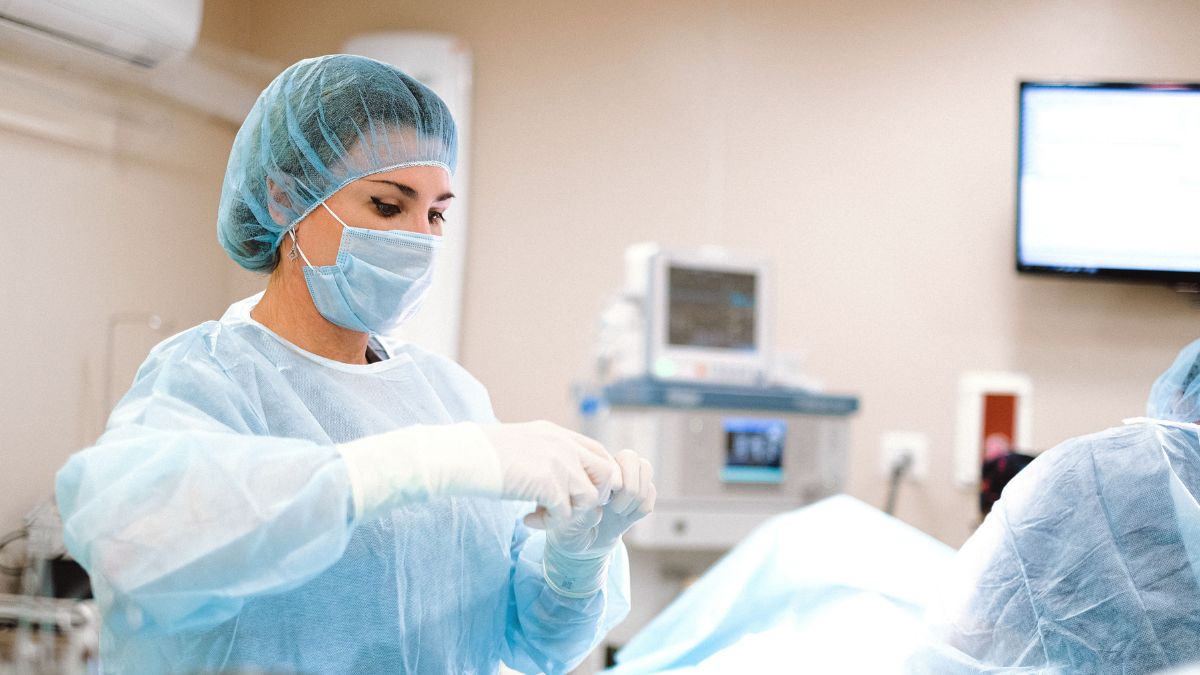
Image by Anna Shvets from Pexels
The editorial staff of Medical News Bulletin had no role in the preparation of this post. The views and opinions expressed in this post are those of the advertiser and do not reflect those of Medical News Bulletin. Medical News Bulletin does not accept liability for any loss or damages caused by the use of any products or services, nor do we endorse any products, services, or links in Sponsored Articles.
