


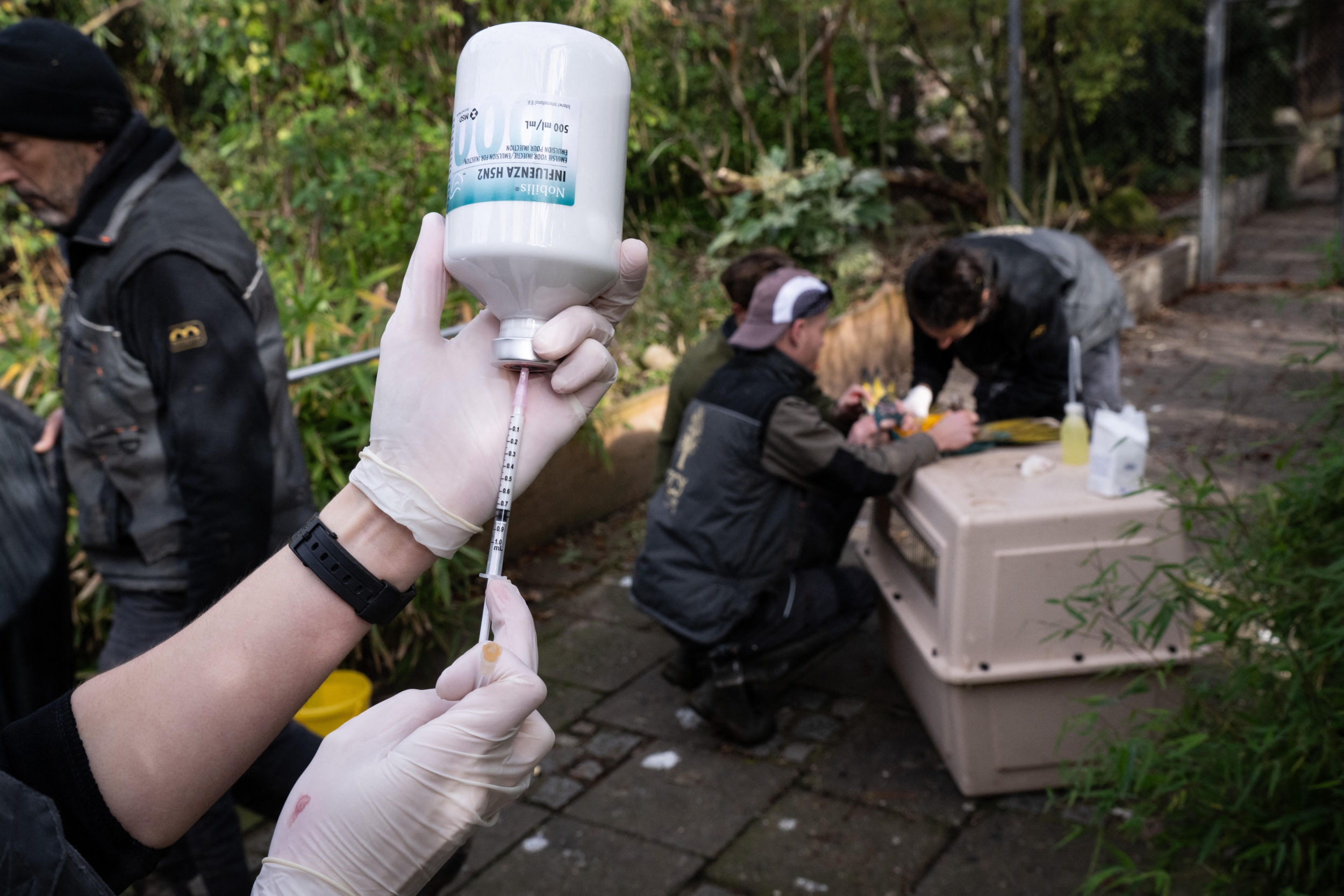
The World Health Organization logged four additional human infections with avian influenza A(H9N2) in China during the last week of July, adding to a case count that is running ahead of last year’s pace, while United States health officials continue to assess bird flu risk to the general public as low.
The four cases were reported from July 24 to 30 and were geographically distinct from one another, involving a 72-year-old woman in Jiangxi, a 12-year-old boy in Jiangsu, a 3-year-old girl in Gansu and a 58-year-old woman in Yunnan. One reported direct live-poultry exposure, and three had potential exposure connected to live-poultry stalls or wet market visits.
Outcomes matter as much as counts here. Two hospitalized patients had chronic respiratory conditions and were subsequently discharged. The other two had mild illness, were not hospitalized, and had recovered by the time of reporting.
For American readers asking whether they should be worried, the honest answer separates two very different populations. The general public faces low risk. People who work with infected poultry or dairy cattle do not.
Newest H9N2 Cases and the 2026 Trajectory
H9N2 has been producing a slow, steady stream of human infections for a decade, overwhelmingly in China. Since 2015, 164 cases have been reported to WHO in the Western Pacific Region, including two deaths, both in people with underlying conditions, according to CIDRAP’s account of the four new cases. Cumulative totals have been reported inconsistently across WHO updates, so figures cited in different weeks do not always align.
These four were not the only recent ones. Three further cases were reported from Guangxi, Jiangsu and Guangdong in the preceding weeks, one of them a man with comorbidities who required intensive care. Over the past six months there have been 20 known H9N2 infections globally, 12 on mainland China, one each in Hong Kong and Taiwan, and one in Italy.
The trend line is the part worth watching. Case counts have risen in recent years, and 2026 is tracking to meet or exceed last year’s record. Whether that reflects more spillover from poultry into people or simply better detection is not established, and researchers have said so directly.
Detection is genuinely difficult here. Most H9N2 infections are mild or moderate and clinically indistinguishable from seasonal flu, which means an unknown number are never tested. Many cases surface through routine influenza-like illness surveillance rather than because someone became severely ill.
Differences Between H5N1 and H9N2
These are not interchangeable, and coverage often blurs them.
H9N2 is a low-pathogenicity virus that circulates widely in poultry across Asia, the Middle East and parts of Africa. Human infections are usually mild, cluster in young children, and are tied to live-poultry markets. Its significance to virologists is less about current severity than about its ability to donate internal genes to other flu viruses.
H5N1 is a high-pathogenicity virus that has caused severe illness and death in people. Between August 2025 and June 2026, CDC recorded 12 human H5N1 infections outside the United States, reported by Bangladesh, Cambodia and India, with three deaths, one in Bangladesh and two in Cambodia. No person-to-person transmission was identified in any of them.
The United States situation is different again. H5N1 is circulating in wild birds, poultry and dairy cattle here, with sporadic human cases almost entirely among dairy and poultry workers exposed through direct animal contact.
One new international development belongs in the picture. Australia recorded its first introduction of H5N1, and wild bird detections there have risen sharply in the weeks since, with most in South Australia.
Occupational Exposure Versus General Population Risk
CDC’s published position draws the line clearly. The agency says the current public health risk is low, while people with prolonged animal contact face greater risk, particularly without appropriate protective equipment. Many United States human infections have followed unprotected workplace exposure to infected dairy cows or poultry.
The people in that category are dairy workers, poultry workers and cullers, veterinarians, animal health and public health responders, backyard flock owners, and wildlife rehabilitators. For them, the precautions are specific: respiratory protection, eye protection, and gloves when handling sick or dead animals, changing clothes before going home, and reporting flu-like symptoms or eye irritation to an employer and a clinician within 10 days of exposure.
Conjunctivitis has been a common presentation in United States H5N1 cases, which is why eye symptoms after animal contact warrant attention rather than dismissal. CDC also notes that older age, delayed medical care, and underlying conditions affect how severely someone becomes ill.
Precautions That Actually Apply to Most Households
For people without animal exposure, the practical guidance is short and unchanged. Do not handle sick or dead wild birds. Keep pets, particularly cats, away from dead birds and away from raw milk and raw pet food, since cats have become severely ill from H5N1. Avoid raw or unpasteurized milk, which has carried infectious virus during the dairy cattle outbreak. Cook poultry and eggs to standard temperatures.
Seasonal flu vaccination does not protect against H5N1, but it is still recommended, partly because reducing seasonal infections lowers the chance of a person being infected with two flu viruses at once, which is the scenario that could allow genetic reassortment.
Anyone with flu-like symptoms after contact with poultry, dairy cattle or wild birds should tell a clinician about that exposure specifically, since it changes testing decisions.
CDC and WHO will continue routine surveillance updates. The things that would change the risk assessment are evidence of person-to-person transmission, a rise in severity, or genetic changes suggesting easier human infection. None of those has been reported. MedicalDaily will report any change.
The bottom line: the newest confirmed development is four more H9N2 cases in China during late July and rising Australian H5N1 detections, general public risk in the United States remains low, occupational risk is meaningfully higher, and no evidence of human-to-human transmission exists for either virus.
Frequently Asked Questions
Should Americans be worried about bird flu right now? CDC assesses the risk to the general United States public as low. Risk is meaningfully higher for people who work with infected poultry or dairy cattle.
What is H9N2 and how is it different from H5N1? H9N2 is a low-pathogenicity virus circulating in poultry across Asia and elsewhere, usually causing mild illness in people exposed to live-poultry markets. H5N1 is high-pathogenicity and has caused severe illness and deaths.
How did the four new patients fare? Two with chronic respiratory conditions were hospitalized and later discharged. The other two had mild illness and recovered without hospitalization.
How many H9N2 cases have there been? 164 human cases have been reported to WHO in the Western Pacific since 2015, including two deaths in people with underlying conditions. Twenty infections have been recorded globally in the past six months.
Is bird flu spreading between people? No. No person-to-person transmission has been identified for either virus in current reporting.
Who should take extra precautions? Dairy and poultry workers, cullers, veterinarians, backyard flock owners, wildlife rehabilitators and animal health responders. Respiratory protection, eye protection and gloves are recommended.
What food precautions apply? Avoid raw or unpasteurized milk, cook poultry and eggs thoroughly, and keep pets away from raw milk, raw pet food, and dead birds.
