


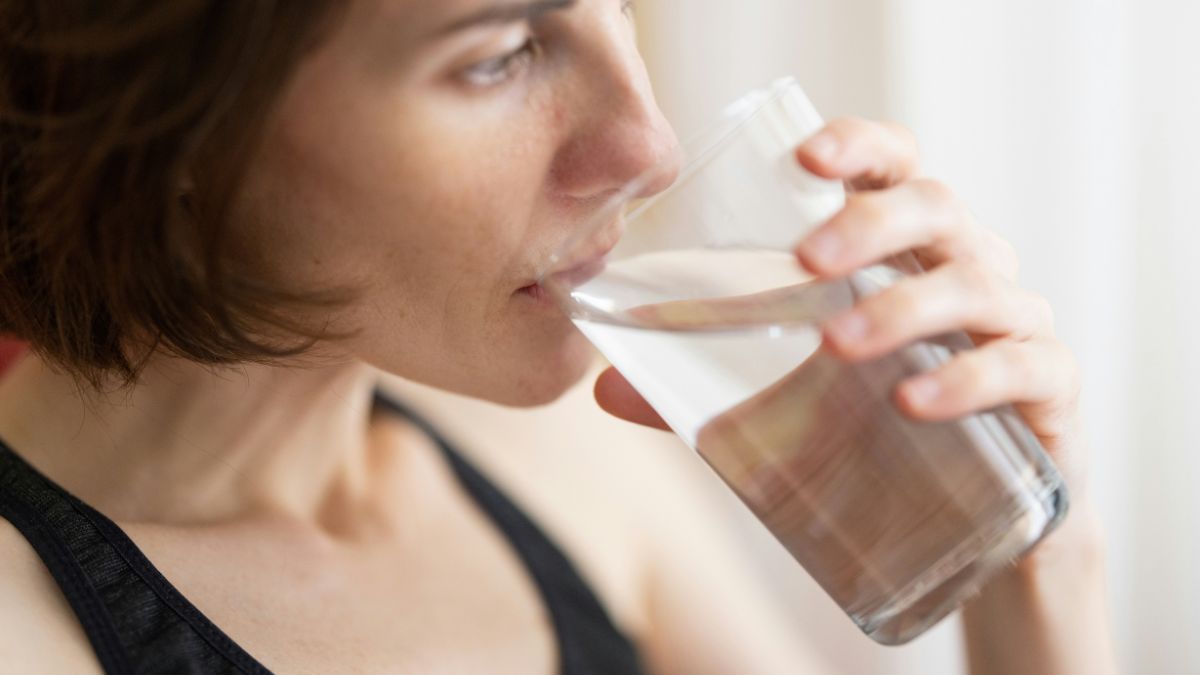
Physicians the country over have the same discussion every year in their clinical practice. A patient suffers from fatigue, headaches, difficulty concentrating or muscle cramps. The workup is relatively normal.
But in the course of the review of daily habits, the issue of hydration is raised and then, it’s an answer that is not complicated and actually important. For months or years, the patient hasn’t been consuming the appropriate fluids, and has never associated the habit with symptoms.
It is one of the most common and most preventable factors contributing to common symptoms seen in primary care. But, after decades of population health campaigns highlighting the importance of drinking water, a significant percentage of adults are chronically under hydrated, but unknowingly compromising on their energy, cognition, kidney, cardiovascular and immune health.
Most people are unaware
Bridging it takes more than repeating the same advice of ‘drinking more water’. It needs a more comprehensive understanding of the nature of sufficient hydration, the shortcomings of drinking water alone and the implications of effective, actionable steps to ensure adequate hydration.
What Most People Get Wrong From the Start was originally published by the University of Nevada, Reno School of Medicine.
The biggest and most common mistake in hydration is that thirst is a good indicator of how much fluid is needed. It’s not and doctors have known about this weakness for decades.
Thirst is a late symptom. When it becomes apparent the body is already mildly dehydrated and has been for a while now, affecting performance.
Study results reported by the American Physiological Society indicate that the thirst mechanism weakens as one gets older, and that older adults can be much more severely dehydrated without feeling the “drink” urge.
The bottom line is that this puts-off approach is a reactive approach which is always inadequate in meeting the body’s hydration needs. Doctors who treat patients for hydration management always explain that it is important for patients to drink water throughout the day – before and after they feel thirsty.
The second big lie is that a good hydration state is based on the volume of fluid consumed. Eating the eight glasses of water a day that most people are advised to consume and not getting enough electrolyte minerals to help the cells take and hold them is enough to put a person in a state of functional dehydration.
Sodium, potassium and magnesium control the flow of water through cell membranes; if they are not in balance, the fluid consumed will be lost and not absorbed into the cells.
The reason many people feel they are constantly dehydrated even with what they see as enough water is because of the physiology. There are some volumes available. Its mineral infrastructure to make use of it isn’t.
Hydration Quietly Affects
Educating patients on the wide range of health issues that are impacted by hydration status is one of the most important things doctors want them to know. Hydration is often considered an issue only in sports or when it comes to heat-related illness – the extreme situations that result in instantly apparent and immediate effects. The more familiar, and more important, story is more delicate.
Chronic mild dehydration has its most direct harmful effects on the function of the kidneys. The kidneys need to have a steady flow of blood to remove waste products from the blood and pass them out in urine. Excessively high concentrations of waste products in the kidneys can cause kidney stones to form, and eventually, these high concentrations can damage kidney tissue.
The National Kidney Foundation says one of the best ways to help prevent stones is by drinking enough fluids, and 10 percent of Americans are at risk of developing them, and they cause a pain level so high that it’s the kind of change in behavior that well-known health tips never inspire.
Another area in which the effects of mild dehydration are well known, but often misunderstood is cognitive function. Several studies focused on hydration and cognition have reported that slight dehydration (1-2% of body weight) leads to deficits in attention, working memory, and psychomotor performance in healthy adults.
These are the same abilities that are most required in business and in school – and the ones being subtly stolen from those who never thought to link their afternoon drowsiness with their morning drink.
Hydration has an accumulated effect on the functioning of the cardiovascular system, digestive health, skin integrity and immune resiliency. Chronically under-hydrated bodies don’t collapse. It just operates at a level that is measurably less than its potential, but does so silently and routinely, in a way that’s easy to normalize because its performance has been gradually decreasing.
Why Plain Water Is a Starting Point, Not a Complete Solution
While the focus of the medical community was very well founded, it has unfortunately given the impression that drinking water is everything in terms of hydration. Many patients, however, do not have it.
The palatability problem is a problem and a reality. For patients who do not like plain water, the more they are asked to drink, the less they will consume. It is not a compliance matter or character problem. It’s a sensory truth and must be accepted not rejected if the clinical objective of sufficient hydration is to be met.
That’s where intelligent formulation of water flavoring steps in as a correct and scientifically valid approach, not a compromise. The flavor barrier to getting sufficient daily fluid intake is eliminated by products which add real fruit extracts to the water, but do not include sugar, artificial sweeteners or synthetic additives.
If they’re having fun, they drink more. This is not an overly complex idea but can have profound implications for hydration results.
True Citrus is creating a selection of water flavoring, using natural citrus and fruit extracts to create easy to drink hydration and make it accessible to those who struggle with plain water.
No artificial sweeteners, no added sugar, matching with the demand of health-conscious consumers and their doctors for clean ingredients. The behavioral noncompliance issue that crops up most often when patients are chronically dehydrated gradually becomes a thing of the past when hydration becomes pleasurable rather than unpleasant.
The electrolyte is significant in its turn. When treating patients with chronic fatigue, muscle cramps and/or difficulty concentrating for no apparent clinical reasons, physicians often find that correcting electrolyte and fluid balance brings about greater improvement than they would achieve by correcting fluid balance alone. They are both required by the body.
What it’s REALLY like to have the best drinking water.
The diffusion and gradual nature of the benefits of hydration is one of the reasons why hydration advice is not always effective at driving for sustainable behavior change. It is a stupidly high figure of two glasses of water more the next day.An extra 2 glasses of water the next day isn’t making anybody look really good. This improvement is gradual, and will be realized over several days and weeks as the body adapts to a new nutritional norm.
A successful physician at motivating his/her patients to drink more water will do so by changing the mindset for the person. Instead of asking the abstract question of whether or not the health benefits of drinking water apply, they tell their patients to focus on the symptoms they can relate to, like: afternoon headaches, mid-morning mental fog, muscle cramps at night and if those symptoms change with improved water intake. This concrete feedback loop brings the connection between the behaviour and the outcome to life, which is rarely the case with general health advice.
Some of the more delicate indications of better hydration are noticed by patients at Cleveland Clinic, including increased energy throughout the day, better skin complexion, fewer headaches, and more regular digestion. These are outcomes patients can see and talk about and therefore are more motivating than the abstract risk reduction numbers.
The conversation was worth having.
There is not as big of a gap between having enough water and what it takes to drink the amount most adults do every day as you think there should be to maintain good health. The changes in behavior that are needed to close the gap are relatively small. The challenges are mostly informational and practical, and not motivational.
Most people are interested in maintaining their health. They just need to be told what a good hydration would be like, and healthy options for how to get there in real life.
The more it’s made palatable, the more the science of electrolytes is presented in the context of practical use and the more symptoms of chronic mild dehydration are linked to habits, the more the topic about hydration becomes real-world and actionable.
That’s the talk that doctors want more time to have. It starts with the fact that, of course, drink more water is correct and that has been the case, but that was never enough.
Image by engin akyurt and Lucas Santos from Unsplash
The editorial staff of Medical News Bulletin had no role in the preparation of this post. The views and opinions expressed in this post are those of the advertiser and do not reflect those of Medical News Bulletin. Medical News Bulletin does not accept liability for any loss or damages caused by the use of any products or services, nor do we endorse any products, services, or links in Sponsored Articles.
